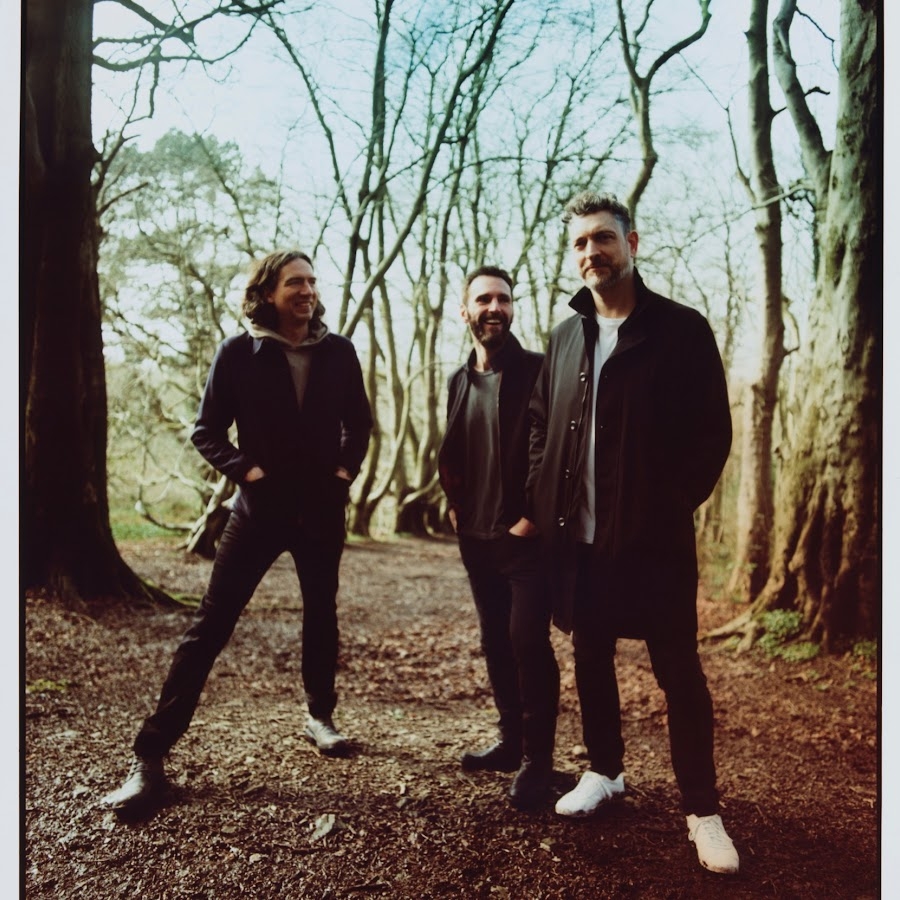
Alternative Rock Indie Rock
Snow Patrol
Thursday, Sep 24, 2026
20:00
Kensington Gore, South Kensington, London SW7 2AP, UK, London, SW7 2AP
Snow Patrol
Sep 24, 2026
Alternative Rock
Harry Potter and the Philosopher’s Stone In Concert
Sep 25, 2026
Arts and Theatre Harry Potter and the Philosopher’s Stone In Concert
Sep 27, 2026
Arts and Theatre
First Aid Kit
Sep 30, 2026
Concert
Rishab Rikhiram Sharma London
Oct 1, 2026
World MusicStepping through the grand entrance of the Royal Albert Hall in London is to enter a realm where history, artistry, and an almost palpable sense of occasion converge. This iconic circular amphitheatre, a landmark of Victorian ingenuity and architectural grandeur, is not merely a concert hall; it is a temple to the performing arts, a crucible where countless musical genres have been celebrated and where the very air seems to hum with the echoes of legendary performances. Its distinctive silhouette, crowned by its world-famous domed roof, is an instantly recognisable fixture of the London skyline, drawing in millions of visitors each year for an unparalleled live music experience.
The genesis of the Royal Albert Hall is intrinsically linked to the vision of Prince Albert, Queen Victoria's consort. Following the immense success of the Great Exhibition of 1851, Prince Albert envisioned a grand cultural centre to house a national museum and a vast amphitheatre for public concerts and scientific lectures. Tragically, Prince Albert died in 1861, before his ambitious project could be fully realised. However, his widow, Queen Victoria, remained committed to his dream, and construction began in 1867. The chosen site, a sprawling area in South Kensington, was once part of a market garden.
The architectural design, a collaboration between Henry Young Darracott Scott and Major-General Scott, drew inspiration from classical Roman amphitheatres and the principles of acoustics. The distinctive terracotta façade, adorned with ornate friezes depicting the arts and sciences, speaks to the Victorian era's fascination with craftsmanship and symbolic representation. The engineering feat was considerable; the enormous circular auditorium, with its vast un-obscured viewing space, was a marvel of its time, aiming to provide excellent sightlines and acoustics for a large audience. The hall's distinctive roof, an intricate iron and glass structure, was a testament to the technological advancements of the age, allowing natural light to flood the space while protecting patrons from the elements. The hall officially opened its doors on March 29, 1871, with a grand inaugural concert.
From its inception, the Royal Albert Hall was designed to be a space for the people, a venue for a wide array of events that would educate, entertain, and inspire. While it was conceived with classical music in mind, its versatile design and grand scale soon lent themselves to a much broader spectrum of performances. The annual BBC Promenade Concerts, affectionately known as the "Proms," which began in 1942, have become synonymous with the Royal Albert Hall, cementing its reputation as the spiritual home of classical music in the UK. These accessible and hugely popular concerts have introduced generations to the joy of orchestral music.
Beyond its classical roots, the hall has been a stage for significant political and social events. It hosted an early United Nations General Assembly session in 1946, highlighting its civic importance. Over the decades, the Royal Albert Hall has bravely embraced diverse musical genres, from opera and ballet to rock, pop, jazz, and even comedy. This willingness to adapt and present a wide array of artistic endeavours has been key to its enduring appeal and its role in shaping the cultural landscape of London. Its very presence in South Kensington, a hub of educational and cultural institutions, underscores its commitment to being a centre of learning and artistic experience.
The Royal Albert Hall's Unique Selling Proposition lies in its extraordinary acoustic design coupled with its breathtaking architectural grandeur, creating an atmosphere of unparalleled prestige for any performer and an unforgettable immersive experience for every attendee. This potent combination has made it the stage of choice for some of the most celebrated artists and memorable performances in music history.
The Royal Albert Hall's role in the local music scene is distinct. While venues like Camden's Roundhouse represent a more industrial, raw, and often avant-garde artistic space, and Brixton Academy commands a reputation for its vibrant, gritty, and genre-defining live music, the Royal Albert Hall stands as the grand matriarch. It is the venue that hosts the established titans of music, the grand orchestral works, and the prestigious international touring acts, often serving as a benchmark for artistic achievement and scale within London's diverse live music ecosystem. Its capacity and grandeur make it a place for defining moments rather than intimate explorations of emerging scenes, yet its historical significance and architectural majesty lend an undeniable weight to any performance held within its walls.
While the Royal Albert Hall is celebrated for its musical performances, an often-overlooked aspect of its past lies in its initial intended purposes and the scientific endeavours that shaped its very construction. The hall was never just intended for music. Prince Albert's vision was for a "Palace of the Arts and Sciences." Before the first musical note was struck on its stage, the venue was designed to be a hub for scientific discourse, educational lectures, and national exhibitions. The very architecture, with its circular design and domed ceiling, was a subject of intense scientific scrutiny.
The acoustics were a paramount concern. Early experiments with sound reverberation were conducted using various materials and shapes. It is a little-known fact that the hall’s acoustics were initially considered too reverberant for certain musical performances, particularly spoken word and solo instruments. To address this, a system of large circular canvases, known as "mushrooms," were suspended from the ceiling to absorb excess sound. These were later replaced by fibreglass diffusers, a subtle yet significant modification that gradually refined the hall's acoustic properties over time. This scientific tinkering and adaptation, driven by the desire to create the perfect sonic environment, is a testament to the venue’s deep connection to innovation and its ongoing commitment to perfecting the listener's experience, even if the initial results required adjustment.
The nearest Underground station is South Kensington, served by the District, Circle, and Piccadilly lines. From South Kensington station, it's approximately a 7-minute walk to the Royal Albert Hall. Simply exit the station, turn right onto Exhibition Road, and you will see the hall ahead.
Numerous bus routes stop near the Royal Albert Hall. Key routes include:
Parking in the immediate vicinity of the Royal Albert Hall is limited and often expensive.
The Royal Albert Hall is committed to providing an accessible and enjoyable experience for all its visitors.
It is recommended to contact the venue's Accessibility team in advance of your visit to discuss specific needs and to book accessible tickets.
1. **What is the best way to get tickets for popular events at the Royal Albert Hall?**
2. **Does the Royal Albert Hall offer guided tours?**
3. **Are there dining options available at the venue?**
4. **Is the Royal Albert Hall accessible for individuals with mobility issues?**
5. **What types of music can I expect to see performed at the Royal Albert Hall?**
Map unavailable - API key not configured
Kensington Gore, South Kensington, London SW7 2AP, UK, London, SW7 2AP
Get DirectionsPhone
020 7589 8212 Snow Patrol
Sep 24, 2026
Alternative Rock Harry Potter and the Philosopher’s Stone In Concert
Sep 25, 2026
Arts and Theatre Harry Potter and the Philosopher’s Stone In Concert
Sep 27, 2026
Arts and Theatre First Aid Kit
Sep 30, 2026
Concert Rishab Rikhiram Sharma London
Oct 1, 2026
World Music Thursday, Sep 24, 2026
20:00
Friday, Sep 25, 2026
18:30
Sunday, Sep 27, 2026
11:00
Wednesday, Sep 30, 2026
17:30
Thursday, Oct 1, 2026
20:00

Sunday, Oct 4, 2026
14:00
Monday, Oct 5, 2026
17:30
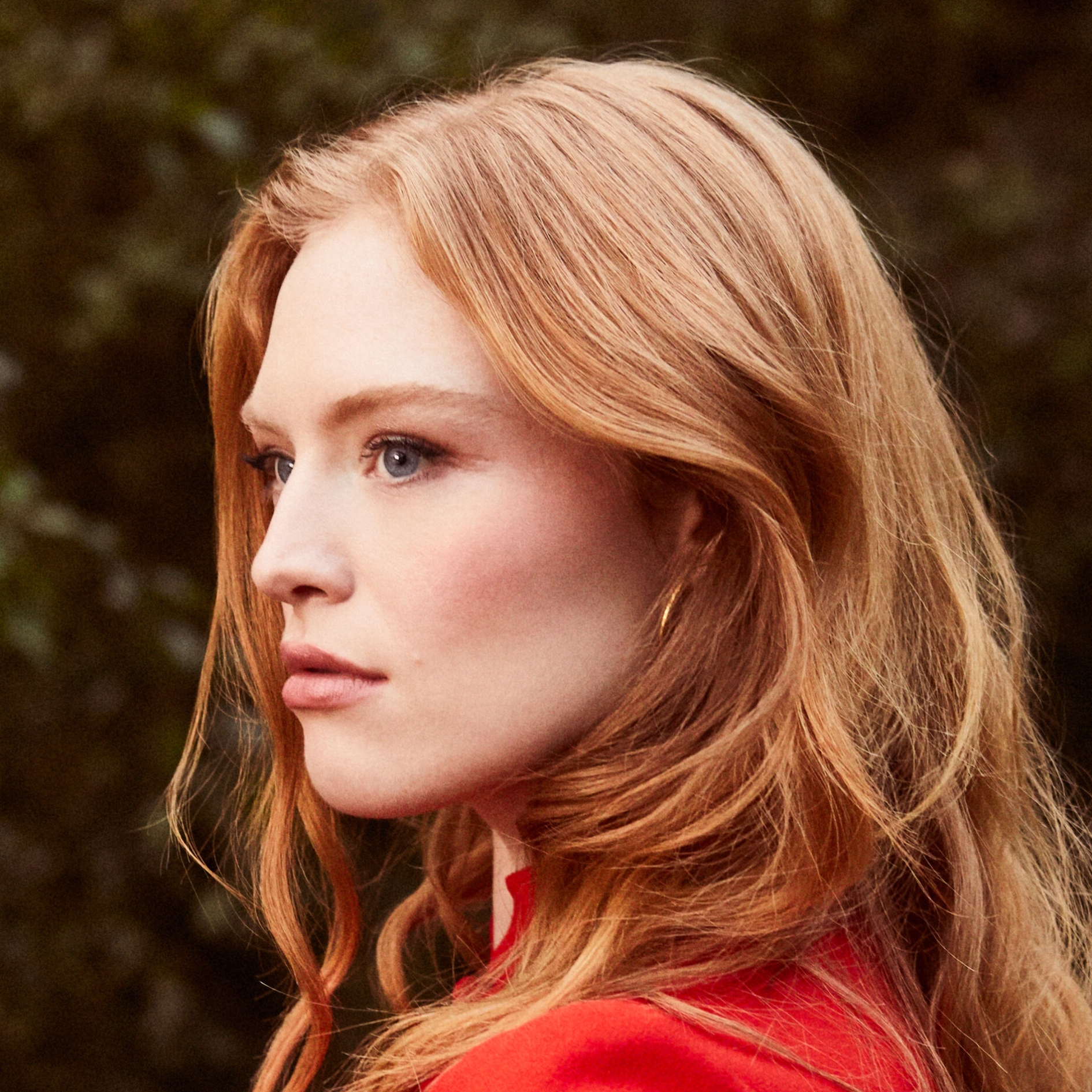
Monday, Oct 5, 2026
20:00

Wednesday, Oct 7, 2026
17:30
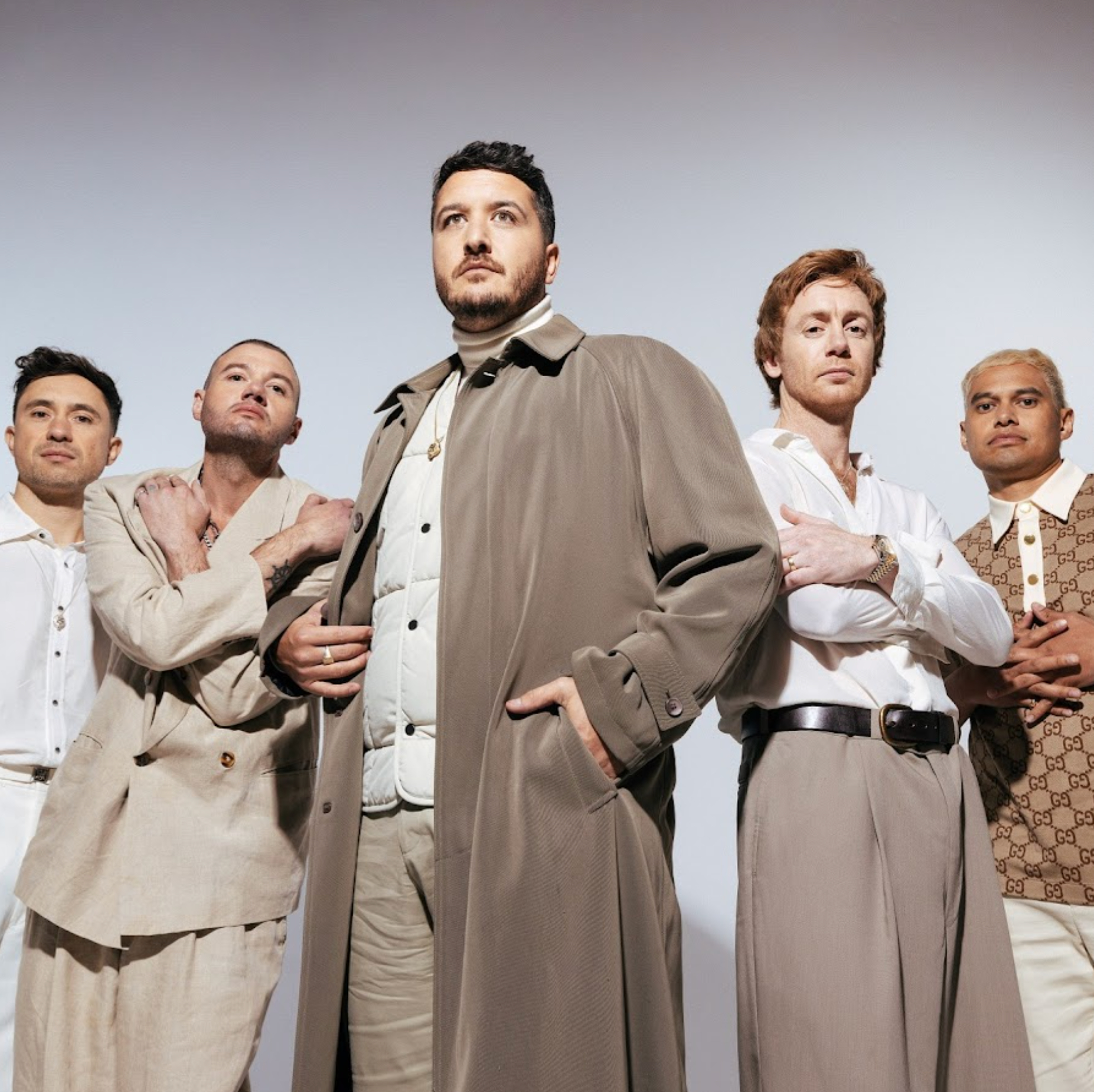
Wednesday, Oct 7, 2026
20:00

Sunday, Oct 11, 2026
20:00
Monday, Oct 12, 2026
20:00

Tuesday, Oct 13, 2026
19:00

Tuesday, Oct 13, 2026
18:00
Wednesday, Oct 14, 2026
18:00
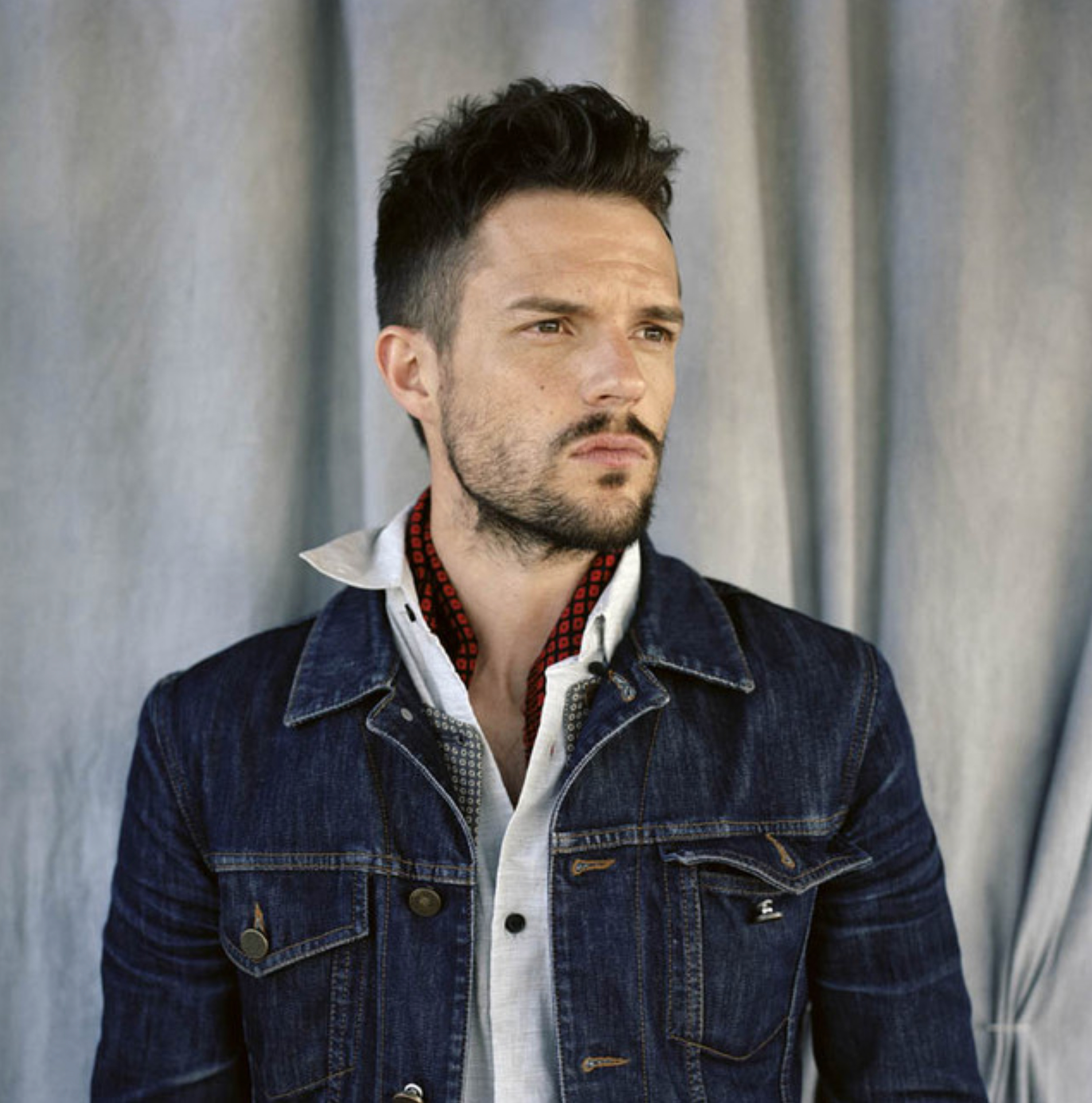
Thursday, Oct 15, 2026
20:00
Sunday, Oct 18, 2026
20:00
Monday, Oct 19, 2026
18:30
Monday, Oct 19, 2026
20:00

Thursday, Oct 22, 2026
20:00